I’ve been on video calls daily since 2020, and I’ve tested more webcams than I can count. From the Logitech C920 that started it all to 4K flagships that couldn’t hold a candle to a decent 1080p sensor, to the ~$30 Amazon specials that make everyone look like a witness sketch.
If you’re setting up OBS for streaming or recording, the worst thing you can do is introduce a camera that needs a PhD in driver management before it shows a frame.
This guide is about the webcams that just work with OBS, no fight required.
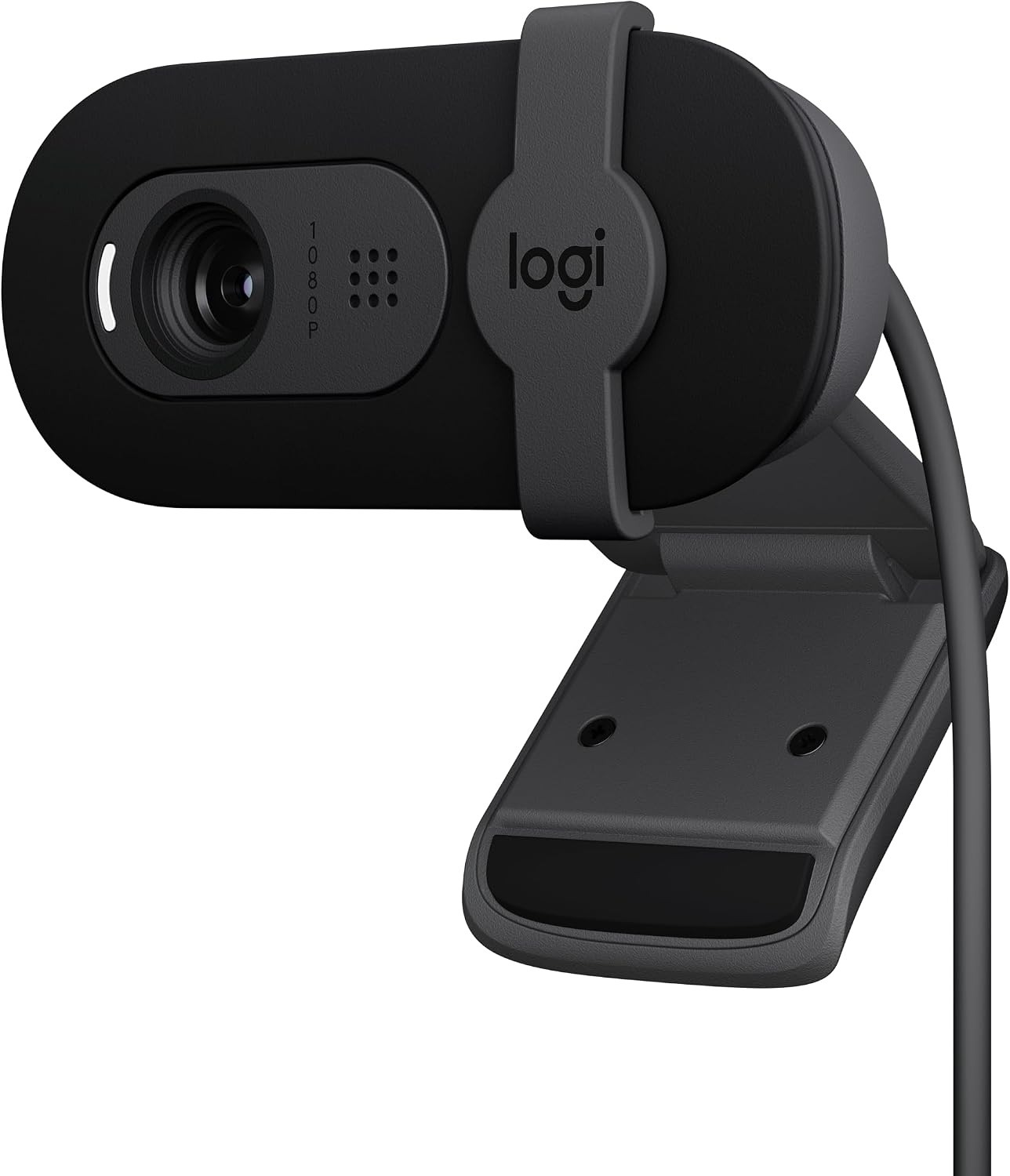
Logitech Brio 101 Full HD 1080p Webcam for Streaming and Meetings - Black
Plug-and-play, solid low-light, sturdy mount, privacy shutter
Visit on Amazon →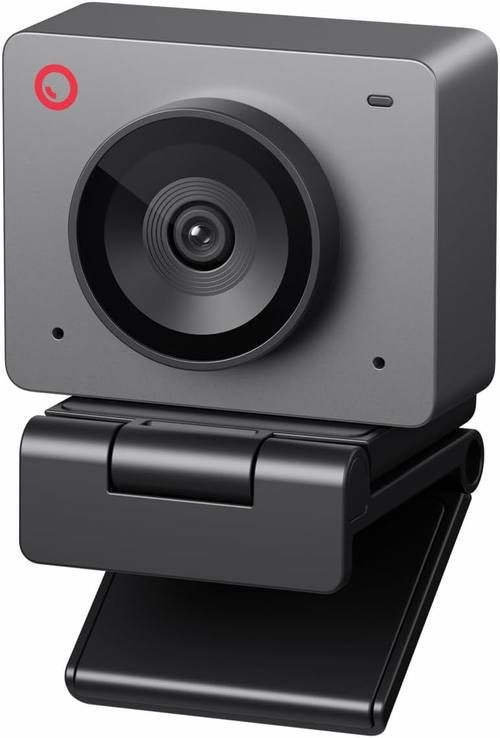
OBSBOT Meet SE 1080P 100FPS Webcam for PC, AI Framing Streaming Camera
OBSBOT develops AI-powered cameras and imaging solutions that simplify the way people create and communicate. From AI tracking webcams to PTZ cameras and intelligent production systems, OBSBOT brings
Visit on Amazon →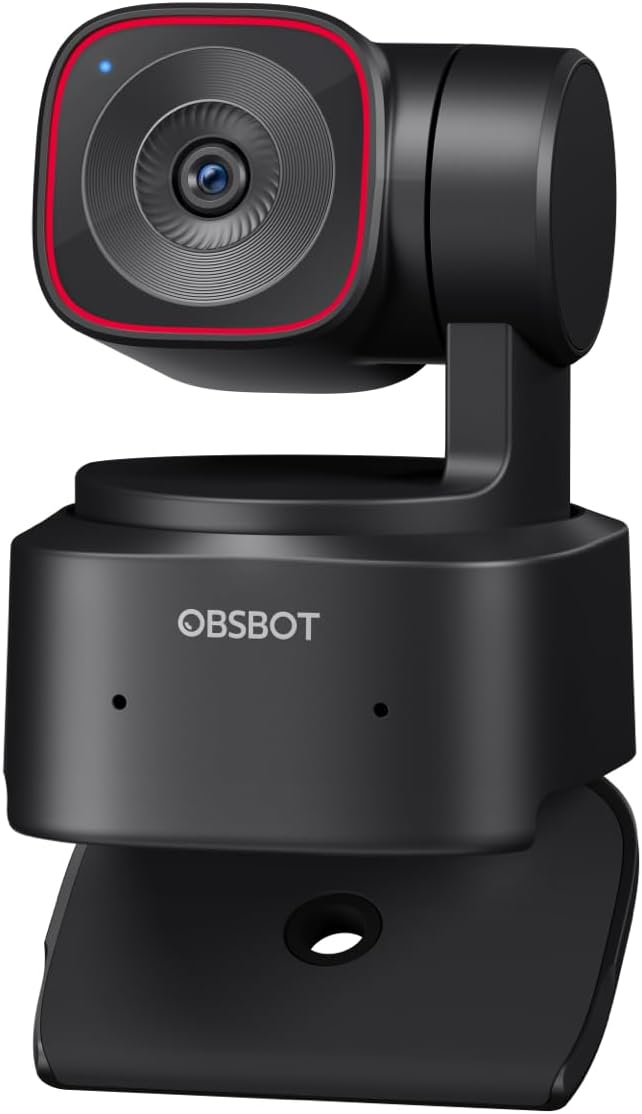
OBSBOT Tiny 2 Lite 4K Webcam for PC, AI Tracking PTZ Streaming Camera
AI tracking is impressive, 4K sensor, great for solo streamers
Visit on Amazon →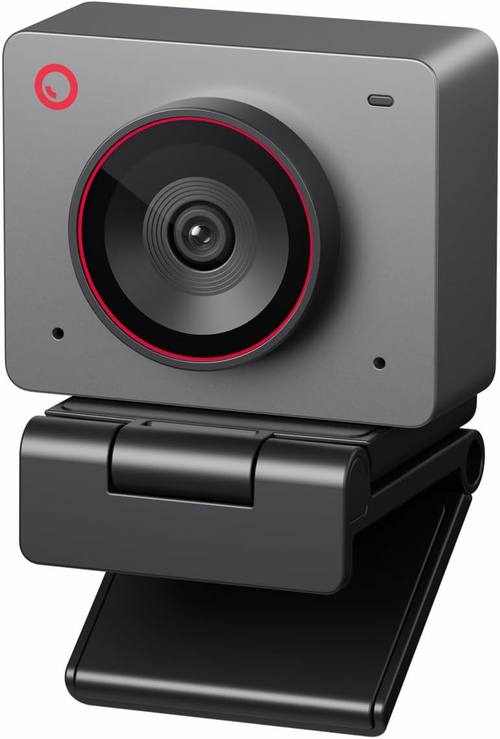
OBSBOT Meet 2-4K Webcam for PC with 1/2" Sensor, AI Framing & Autofocus
1/2" sensor for better low-light, AI framing, compact
Visit on Amazon →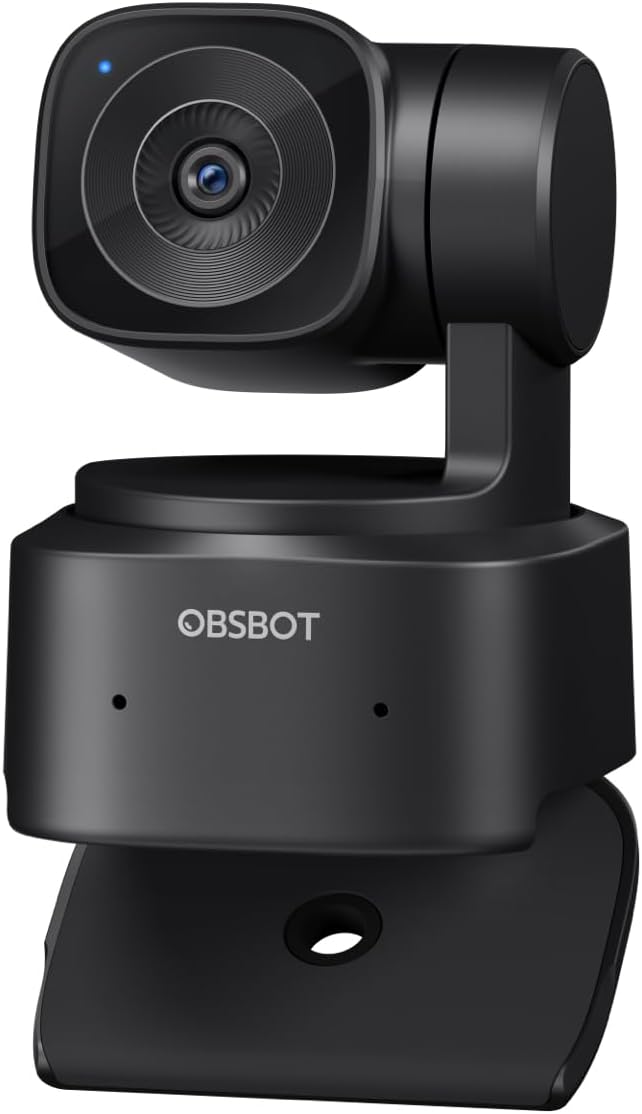
OBSBOT Tiny SE 1080P 100FPS Webcam for PC, AI Tracking PTZ Streaming Camera
100fps smooth motion, AI tracking, compact
Visit on Amazon →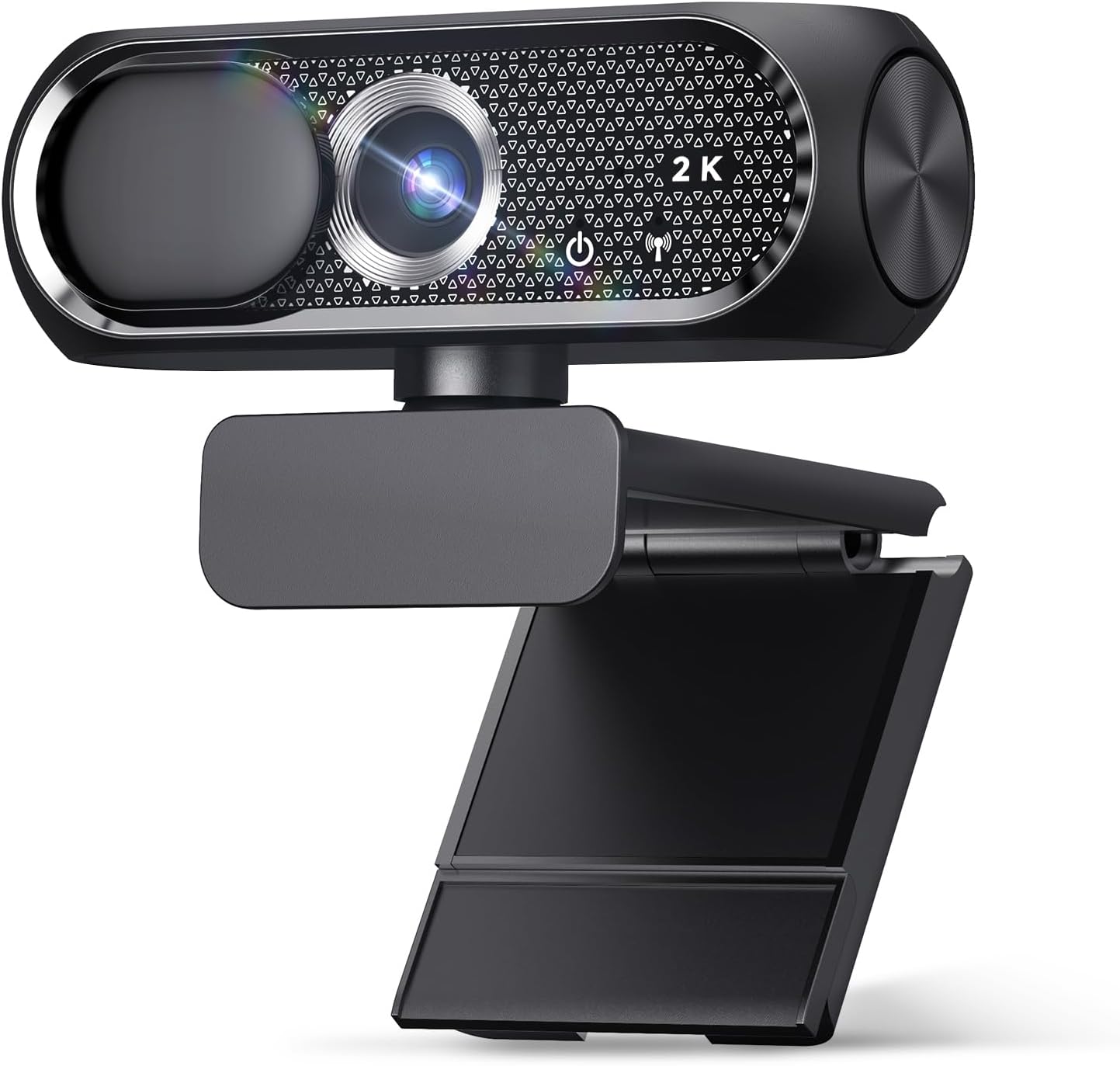
1080P HD Webcam with Microphone, Noise Cancellation, Privacy Cover, Wide-Angle Lens, Auto Light Correction, Plug & Play USB Webcam for Laptop, Desktop, PC, Mac, Zoom, Skype, Streaming (Black)
OBSBOT develops AI-powered cameras and imaging solutions that simplify the way people create and communicate. From AI tracking webcams to PTZ cameras and intelligent production systems, OBSBOT brings
Visit on Amazon →Why you should trust me
I’m the guy people ask for gear advice. I run a weekly podcast on camera, I still stream occasionally, and I bought six Logitech Brio 101s for my small company’s office. My shop is a converted garage with terrible overhead lighting, and my 65-pound lab mix Baxter has knocked over more webcam tripods than I care to admit.
I’ve lived with these cameras for months, not days. I’ve plugged them into dying laptops, USB hubs, and desktop towers.
I know what works and what doesn’t.
How I picked
My criteria are simple. First, it has to be plug-and-play. If I have to download a utility or fight with drivers, it’s already lost. Second, the field of view has to match how people actually sit. I’m about 4 to 5 feet from my monitor, so a camera with a fixed wide angle and no zoom is a dealbreaker.
Third, low-light performance matters. Every camera claims it works in dim light. Most of them lie. Fourth, it has to work with OBS without a fight.
I don’t care about proprietary software if the camera shows up as a standard UVC device. Finally, I check real buyer complaints.
If multiple people mention the same issue, it’s real.
Our pick: Logitech Brio 101
This is the one I recommend to everyone. I’ve bought six for my company, and they’ve been flawless on every PC we’ve plugged them into. Super easy to install, pretty much plug and play. The image quality is fantastic, and it works nicely with minimal light.
Priced very fairly, around ~$50 to ~$60, and it does exactly what it says. The privacy shutter is a nice bonus, and the mount is sturdy.
It works with Teams and Zoom without any driver nonsense.
Visit on Amazon →
The only complaint I’ve seen is that it’s zoomed in too much. One buyer had to push their chair back to fit their face in frame. I had the same issue in my setup. It’s not a dealbreaker, but it’s worth knowing. At ~$55, if you use it for a year of daily calls, that’s about 15 cents a day. Worth it.
If you sit close to your monitor, this is the safest bet you can make. If you’re 5 feet back like me, just push your chair forward a bit.
Runner-up: OBSBOT Meet SE
I picked this up for a solo streamer friend who wanted something that worked with OBS out of the box. The Meet SE is a 1080p camera that does 100fps, which is great for smooth motion on stream. The AI framing is a genuine plus, it keeps you centered in the frame even if you lean back. It also has a built-in noise-canceling mic that’s better than most built-ins I’ve tested.
The setup was no-fuss. Plugged it in, OBS recognized it as a standard UVC device, and I was live in under five minutes. The image is clear and sharp, and the autofocus doesn’t hunt in my shop’s dim lighting. The price is around ~$99, which is reasonable for what you get.
The only real downside is that the AI framing can be a bit much if you’re just sitting still. It’s a feature you can turn off, but it’s there. For a streamer who moves around, this is a solid choice.
Upgrade pick: OBSBOT Tiny 2 Lite
This one’s around ~$149, and it’s the most fun I’ve had with a webcam in a while. The AI tracking is genuinely impressive. It follows you around the room, keeps you centered, and the 4K sensor delivers a sharp image. The built-in noise-canceling mic is solid too.
But getting it recognized and working took a bit of troubleshooting upfront. It’s not plug-and-play out of the box like the Brio 101. You may need to update the firmware or fiddle with OBS settings to get it to show up as a video source. The included tripod is on the wonky side, too. It works, but it feels flimsy.
The 4K sensor doesn’t deliver the jump in quality you’d expect over the Brio 101. It’s a bit sharper, but not night and day. For the price, you’re paying for the AI tracking and the 4K, not for a dramatic image improvement. If you move around a lot during your stream, this is worth it. If you sit still, save the money.
Budget pick: 1080P HD Webcam with Mic
I bought this one for my grandfather’s laptop. He’s not tech-savvy at all, and he just plugs it in via USB and it works. Zero problems. The privacy cover gives him peace of mind. The image quality exceeded my expectations, clear and sharp. The adjustable clip holds securely.
Visit on Amazon →
For the price, around ~$20 to ~$30, it’s the easiest recommendation I can make. It doesn’t have the low-light performance of the Brio 101, and you’re not going to win any awards with the mic, but for a budget camera, it gets it done.
If you just want to see your grandkids on a Sunday call without spending a fortune, this is it.
The competition
The OBSBOT Meet 2 is a solid camera with a 1/2" sensor that does well in low light. The AI framing is nice, and it’s compact. But at ~$129, it’s in an awkward spot. It’s more expensive than the Brio 101, and the autofocus hunts occasionally in dim light. It’s a good camera, but it doesn’t justify the price premium.
The OBSBOT Tiny SE is the budget version of the Tiny 2 Lite. It does 100fps and has AI tracking, but the tracking can be finicky if you move around a lot. It’s around ~$129, which is a lot for a 1080p camera when the Brio 101 does the job for half the price.
The EMEET C960 is great value for the money, around ~$40 to ~$50. Plug and play, solid quality. But the field of view is wide with no zoom. I had to rig up an extension stick to bring it within two feet of me to get a decent view. The video occasionally goes blurry for a second and then refocuses. It’s not a dealbreaker, but it’s there.
The HUYEOOG 4K has a built-in three-color fill light that’s genuinely useful. But getting it recognized and working took some troubleshooting, and the included tripod is flimsy. The 4K sensor doesn’t deliver the jump in quality you’d expect. It does the job, but it doesn’t justify the price premium over the Brio 101.
The Shcngqio 1080P is the budget king. It exceeded my expectations for ~$20, but the low-light performance still isn’t there. If you’re on a budget, it gets it done.
Some final advice
Make sure you plug your webcam directly into your computer rather than a USB hub. This can help keep the video feed stable. I’ve seen too many people blame a camera for a choppy stream when the real culprit was a cheap hub. And know your distance from the camera. If you sit 4 to 5 feet back, a wide-angle lens with no zoom will make you look like you’re in an empty warehouse. Buy accordingly.